National Parliament of Bangladesh
Photo: Jubair Bin Iqbal
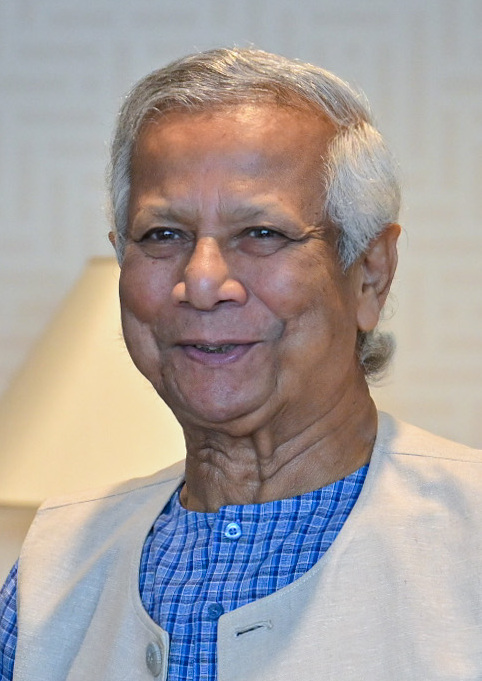
Dr. Muhammad Yunus oversaw what officials and many observers called the most orderly and credible national vote in the history of Bangladesh, a milestone for an interim administration that had pledged to restore confidence in the electoral process.
Polling stations opened on time across the country, with voters forming long but calm lines from early morning. Security forces maintained a visible presence, though reports from the field suggested their role was largely reassuring rather than restrictive. Election workers moved methodically, checking identification, issuing ballots and guiding citizens through procedures designed to ensure transparency.
Army personnel patrol in front of the Bangladesh Nationalist Party office to maintain security during the country’s 13th national election.
Photo: Jubair Bin Iqbal
The interim government had spent weeks signaling that neutrality would be its guiding principle. Authorities said they worked to give all parties equal opportunity to campaign while warning that intimidation or disruption would not be tolerated. Domestic monitoring groups cited improvements in coordination and communication compared with previous contests.
Turnout appeared strong in both urban neighborhoods and remote districts, reflecting what analysts described as a public eager to take part after a prolonged period of political tension. Although isolated complaints surfaced, there were no immediate indications of widespread violence or systemic breakdowns.
Yunus, a Nobel laureate who took charge during a turbulent chapter in the nation’s politics, framed the election as a collective effort. In brief remarks, he praised voters, civil servants and security personnel, saying the process belonged to the people and not to any single authority.
Press Secretary Shafiqul Alam played a vital and significant role, contributing to the organization and smooth conduct of the voting process.
Political leaders began assessing early trends as counting got underway, while many citizens expressed hope that a peaceful vote would help stabilize the country and set a precedent for future transitions of power.
The full political impact will become clearer once results are finalized. But for now, the day marked a rare moment of relative calm in a deeply polarized landscape, offering supporters of the interim government an argument that credible elections are possible when institutions commit to restraint and accountability.